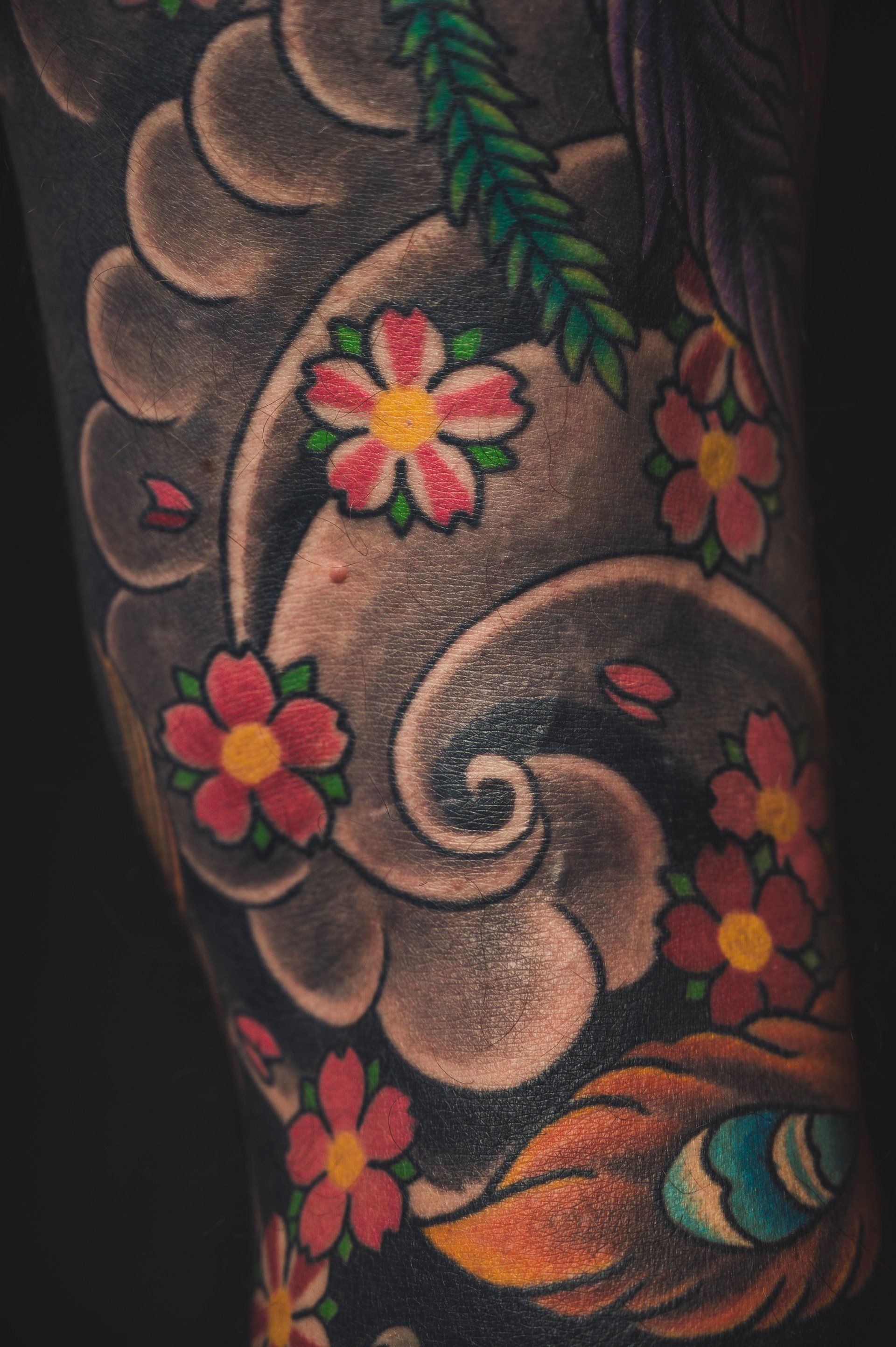
How Technology Is Changing the Way People Plan Their Tattoos
Tattooing is one of the oldest forms of body art, but the way tattoos are planned has changed considerably.
A design that may once have started with a pencil sketch and a piece of tracing paper can now move through several digital stages before it reaches the skin.
Modern tattoo artists increasingly work with digital illustration, image editing, tablets, stencil printers and visual reference tools. At the same time, clients have access to AI-generated concepts, online inspiration and virtual previews before they ever enter the studio.
Technology has not replaced the artistic process.
Instead, it has changed how ideas are developed, refined and communicated between client and artist.
Tattoo Planning Starts Earlier Than Ever
For many people, the tattoo process begins long before the appointment.
Clients may spend weeks or even months collecting references, saving images and thinking about different styles.
Technology has made this part of the process much easier
Someone considering a tattoo can now explore:
- different artistic styles
- alternative placements
- colour combinations
- lettering
- composition
- scale
- reference imagery
This means clients often arrive at a consultation with a much clearer idea of what they like.
However, knowing what you like visually and knowing what will work well as a tattoo are not always the same thing.
That is where the artist becomes important.
Digital Drawing Has Changed Tattoo Design
Many tattoo artists now use tablets and specialist illustration software during the design process. This offers several practical advantages.
A digital design can be resized, rotated, repositioned and adjusted without redrawing the entire piece.
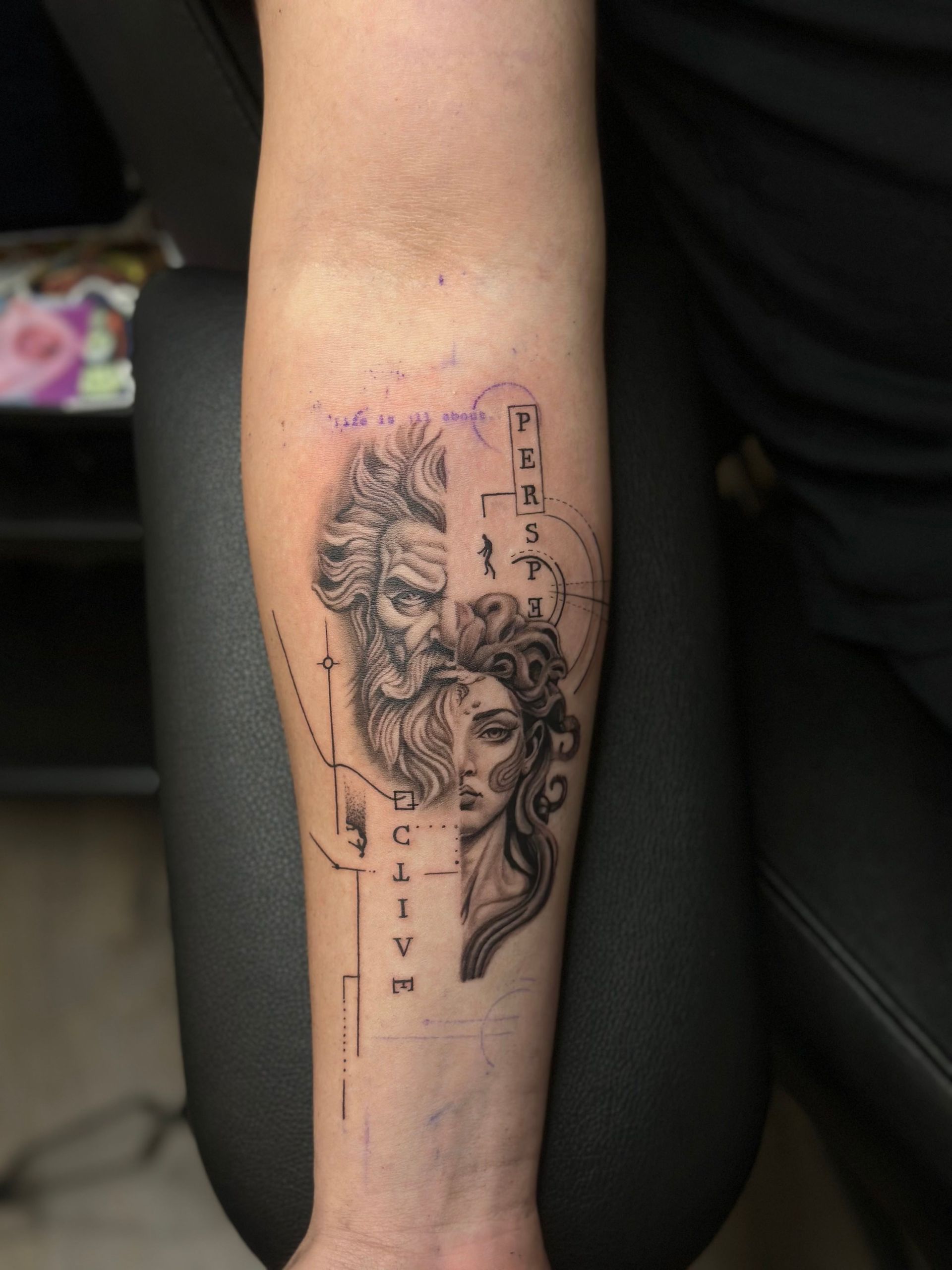
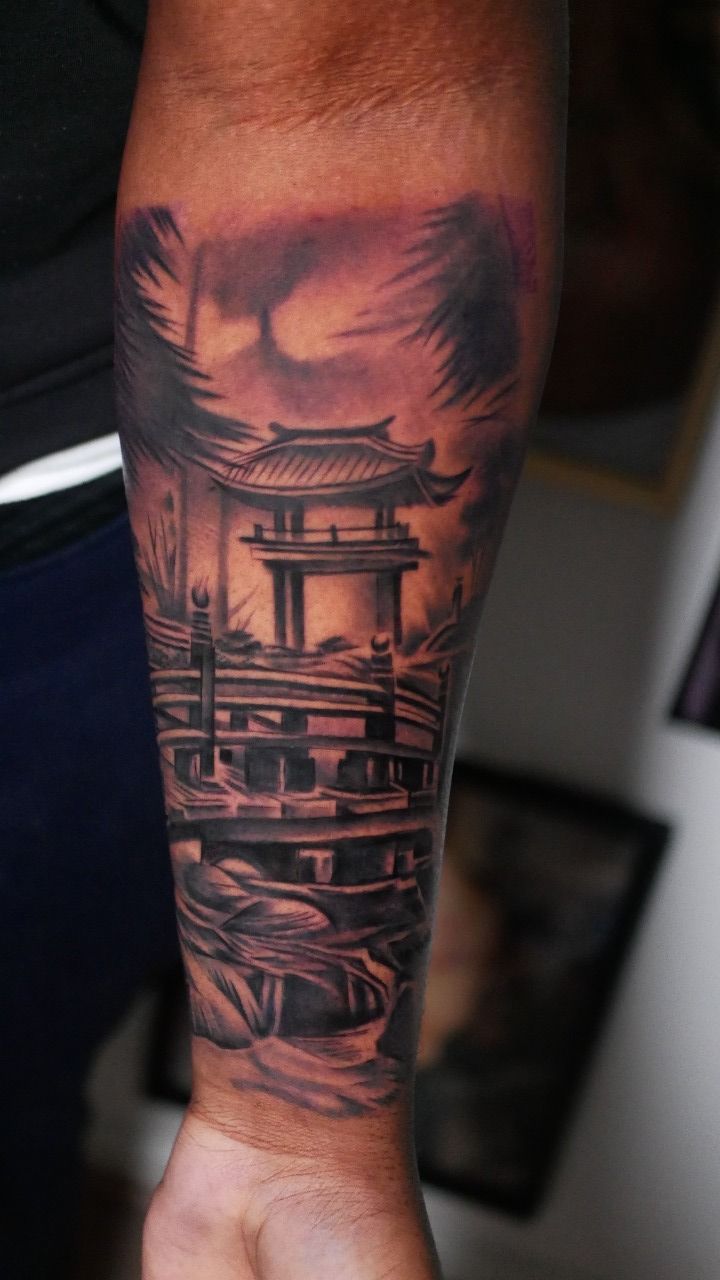
An artist may also be able to test different versions of the same concept before deciding which one works best. For example, a client may want a design placed along the forearm.
The artist can adjust the proportions digitally to help the artwork follow the shape of the arm rather than forcing a flat image into a space it was never designed for.
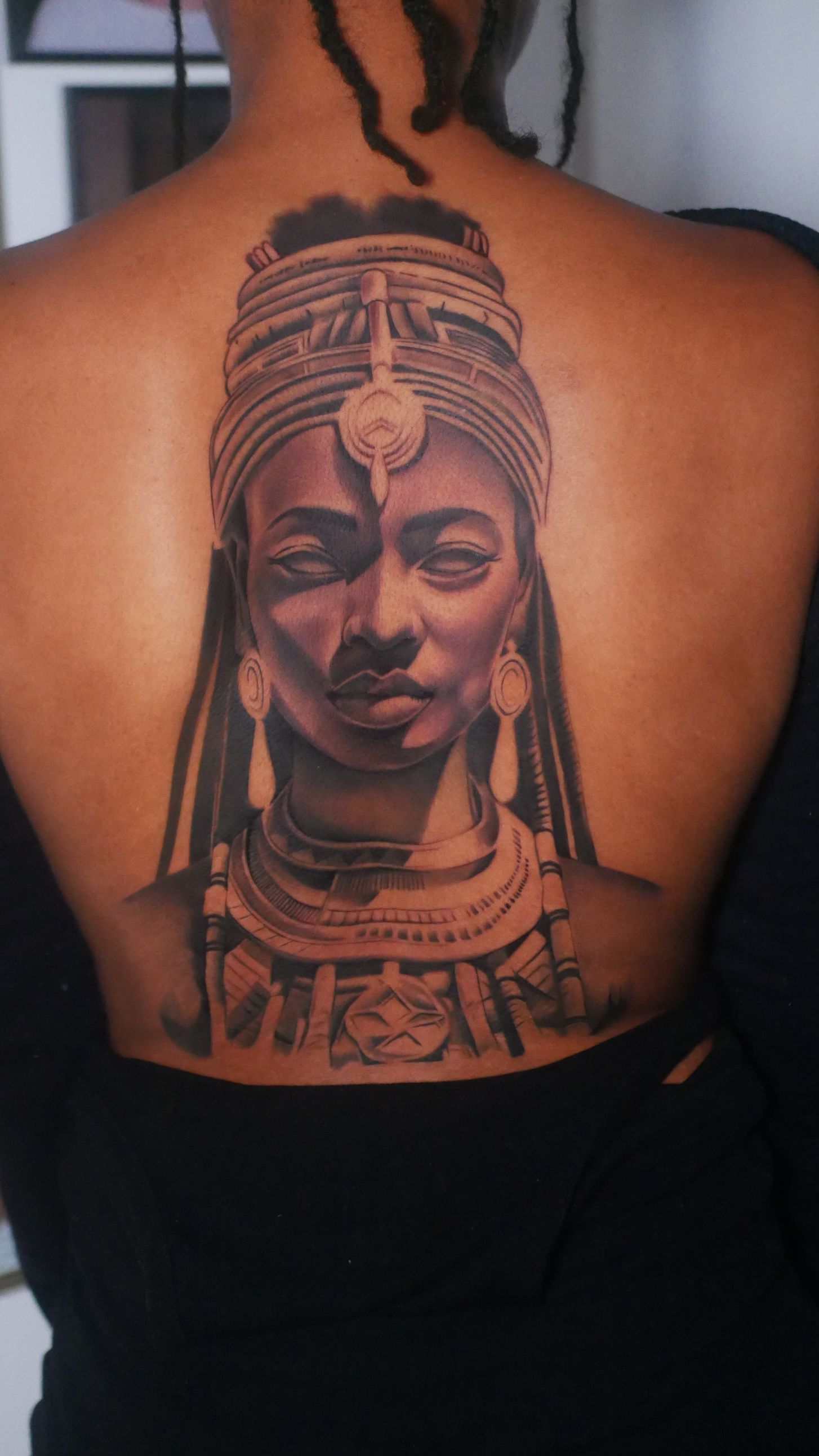
This is particularly important for larger tattoos, where the body itself becomes part of the composition.
Why Placement Matters
A tattoo is not viewed on a flat sheet of paper.
It sits on a moving, three-dimensional surface.
The shoulder, forearm, thigh, ribs and back all behave differently.
A design that looks balanced on a screen may need significant adjustment once it is placed on the body.
Artists need to consider:
- muscle shape
- joints
- body movement
- natural curves
- visibility
- how the tattoo connects with existing work
Technology can make it easier to preview and modify those choices, but it cannot make those decisions independently.
AI Is Changing the Way People Generate Ideas
Artificial intelligence is beginning to influence tattoo inspiration as well.
AI image generators can produce visual concepts from simple text descriptions.
Someone could ask for a Japanese-inspired dragon, a geometric wolf or a floral sleeve concept and receive several different visual directions within seconds.
This can be useful during the idea stage.
It allows clients to experiment quickly and identify elements they like or dislike.
But there is an important distinction between inspiration and tattoo design.
An AI-generated image may contain details that are visually impressive but impractical to tattoo.
It may include:
- lines that are too fine
- excessive small details
- awkward proportions
- inconsistent anatomy
- elements that may blur together over time
A professional tattoo artist still needs to interpret the idea and create something suitable for real skin.
Why Original Design Still Matters
The rise of AI also raises questions around originality.
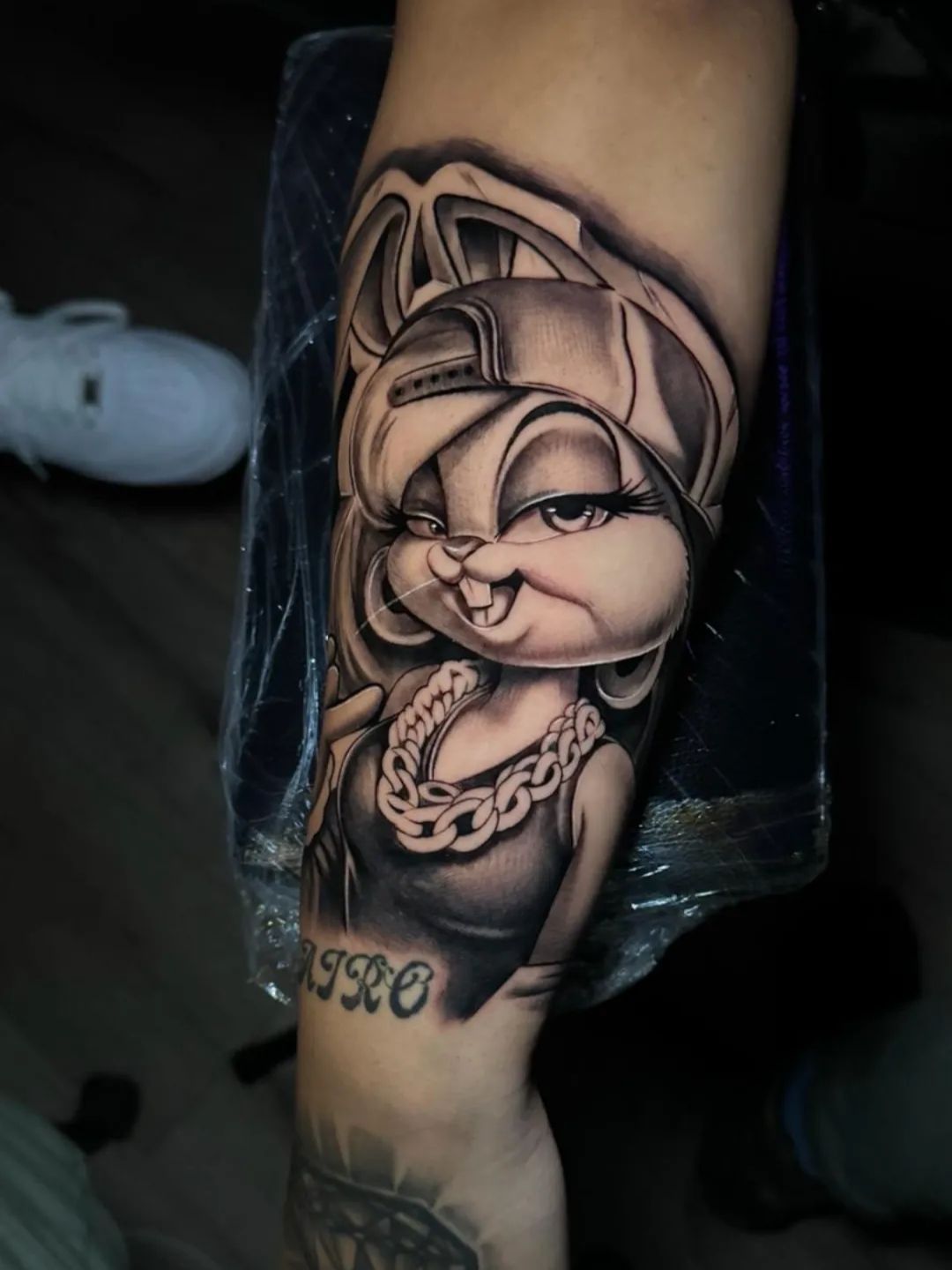
Clients often bring reference images found online, but most experienced artists will adapt the idea rather than simply copying another tattoo.
The same principle applies to AI.
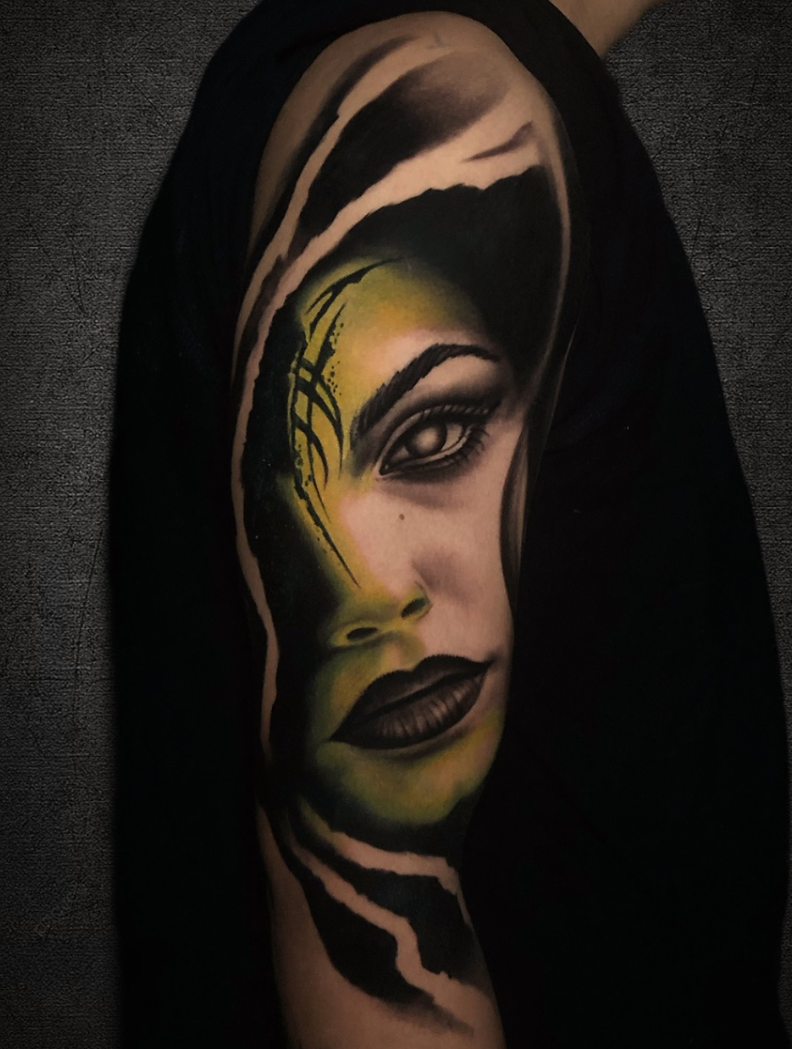
A generated image can be used as a starting point, but the strongest tattoos are usually those that have been shaped around the individual client.
That can include:
- adjusting the design for their body
- incorporating personal details
- changing the composition
- simplifying or strengthening certain elements
- developing a more original final piece
Technology makes it easier to create references, but originality still comes from the design process.
Virtual Tattoo Previews
Virtual preview tools are another area where technology is changing tattoo planning.
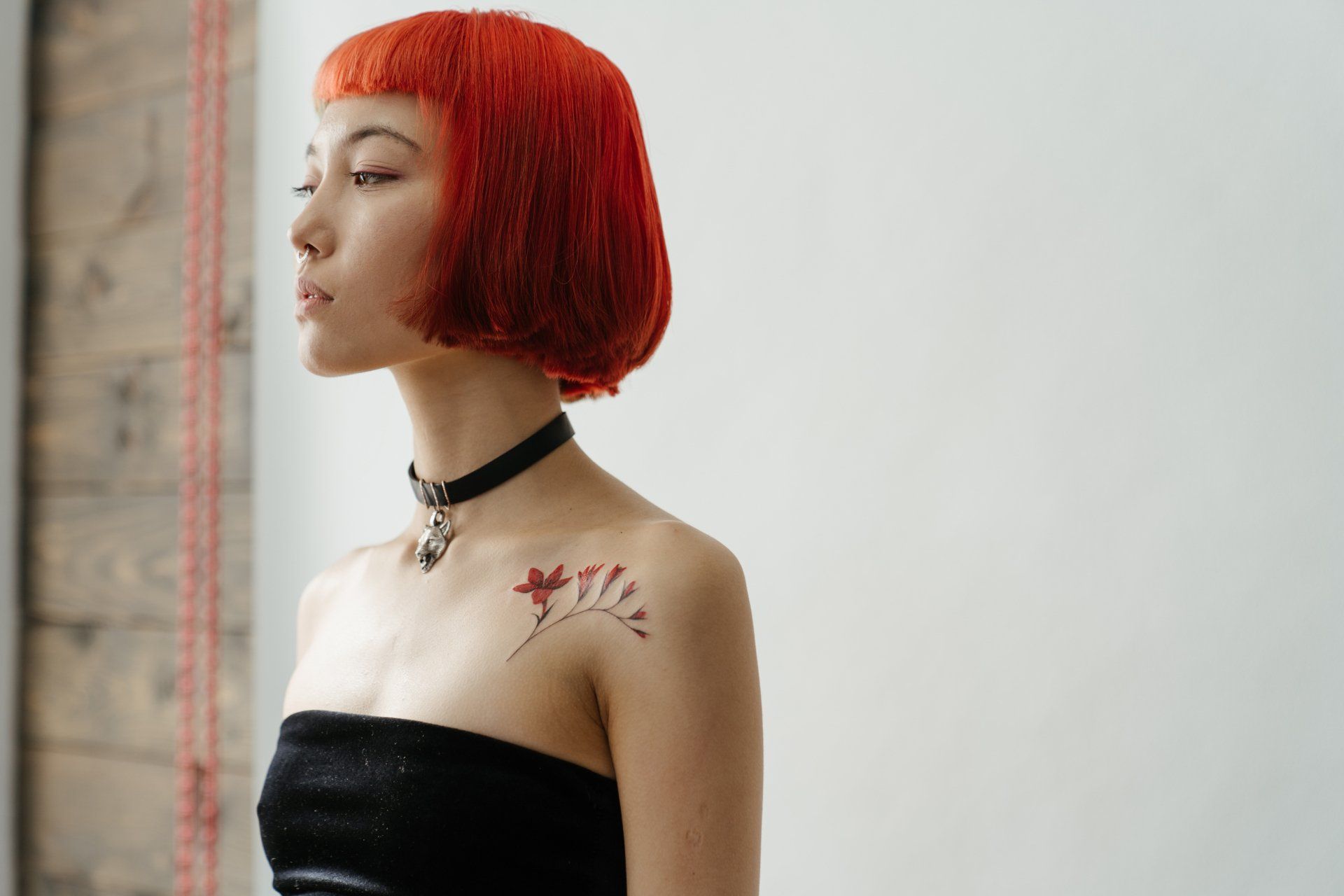
Some systems allow a client to upload an image of themselves and place a tattoo design digitally on the body.
This can help answer practical questions such as:
- Is the tattoo too large?
- Should it sit higher or lower?
- Would it work better on the other arm?
- Does the design follow the shape of the body properly?
These previews are only approximations. Skin movement, lighting and body shape mean the finished tattoo will never look exactly like a digital mock-up.
However, they can still be useful when comparing options before committing.
Digital Stencils Make Preparation More Precise
Once the artwork has been finalised, stencil technology plays an important role.
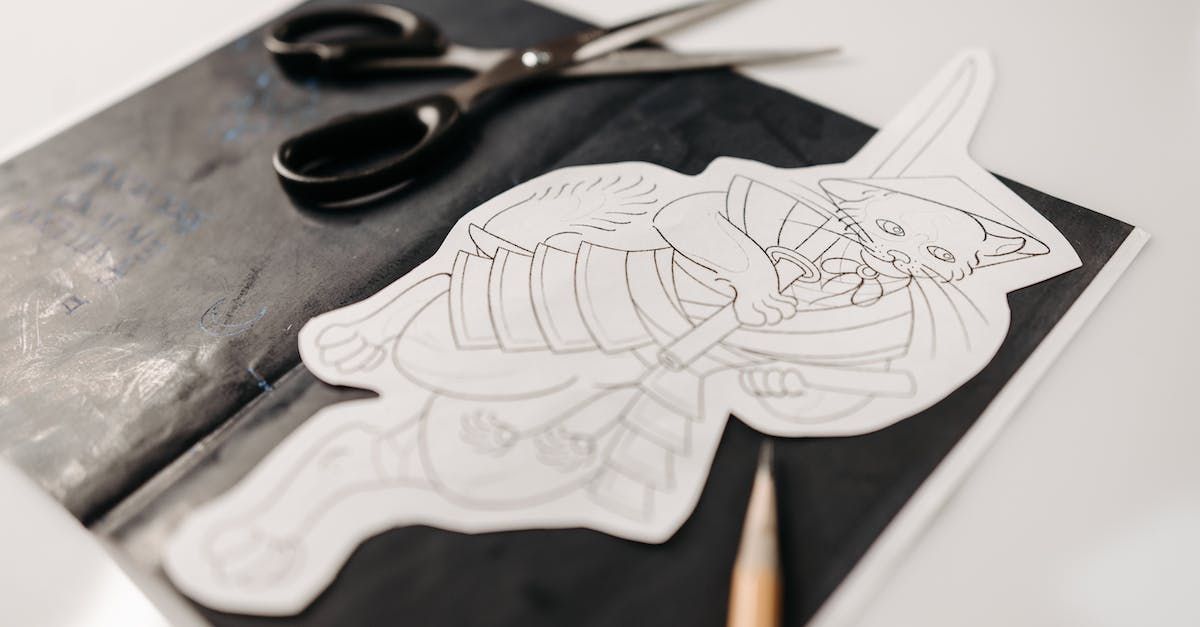
The stencil allows the artist to transfer the design onto the skin before tattooing begins.
Modern digital preparation can make this process more accurate.
The artist can print the design at the correct size, place it on the body and assess the positioning before starting.
This gives both the artist and client a final opportunity to check:
- size
- alignment
- placement
- orientation
If something does not look right, it can be adjusted before any permanent work begins.
Technology Cannot Replace Tattooing Skill
It is easy to focus on software and digital tools, but tattooing is still a highly skilled manual process.
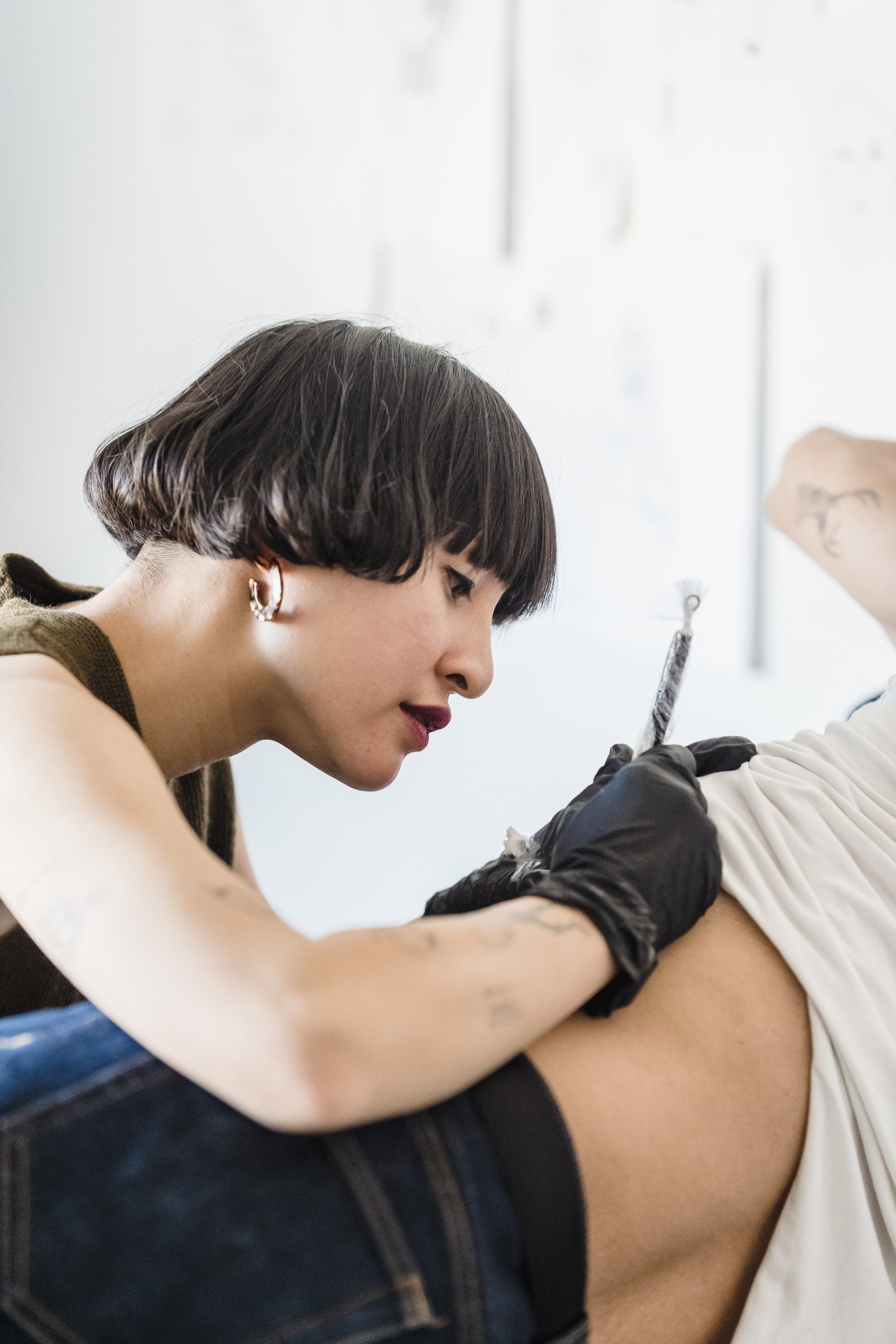
Once the design reaches the skin, the quality of the tattoo depends on the artist.
That includes their ability to manage:
- linework
- shading
- saturation
- depth
- skin trauma
- needle control
- consistency
Technology can help create the design, but it cannot replace the physical skill required to tattoo properly.
A Better Collaboration Between Artist and Client
Perhaps the biggest advantage of modern technology is communication. Clients can show an artist exactly what they are imagining.
Artists can then make changes, explain what may or may not work and refine the design more efficiently. Instead of relying entirely on verbal descriptions, both sides can work from the same visual reference. This can make the consultation process clearer and reduce misunderstandings.
What the Future of Tattoo Planning Looks Like
Tattoo technology will likely continue to develop
AI tools may become better at generating realistic concepts
Virtual previews may become more accurate
Digital design software will continue improving
But the fundamental role of the tattoo artist is unlikely to disappear. A tattoo has to work on a real person, on real skin, over many years.
That requires judgement, experience and technical ability. Technology can help people explore ideas more quickly and visualise the result more clearly, but the final outcome still depends on the person holding the machine. The best use of technology in tattooing is not to replace creativity.
It is to give artists better tools to turn an idea into a tattoo that looks right, fits the body and lasts well over time.